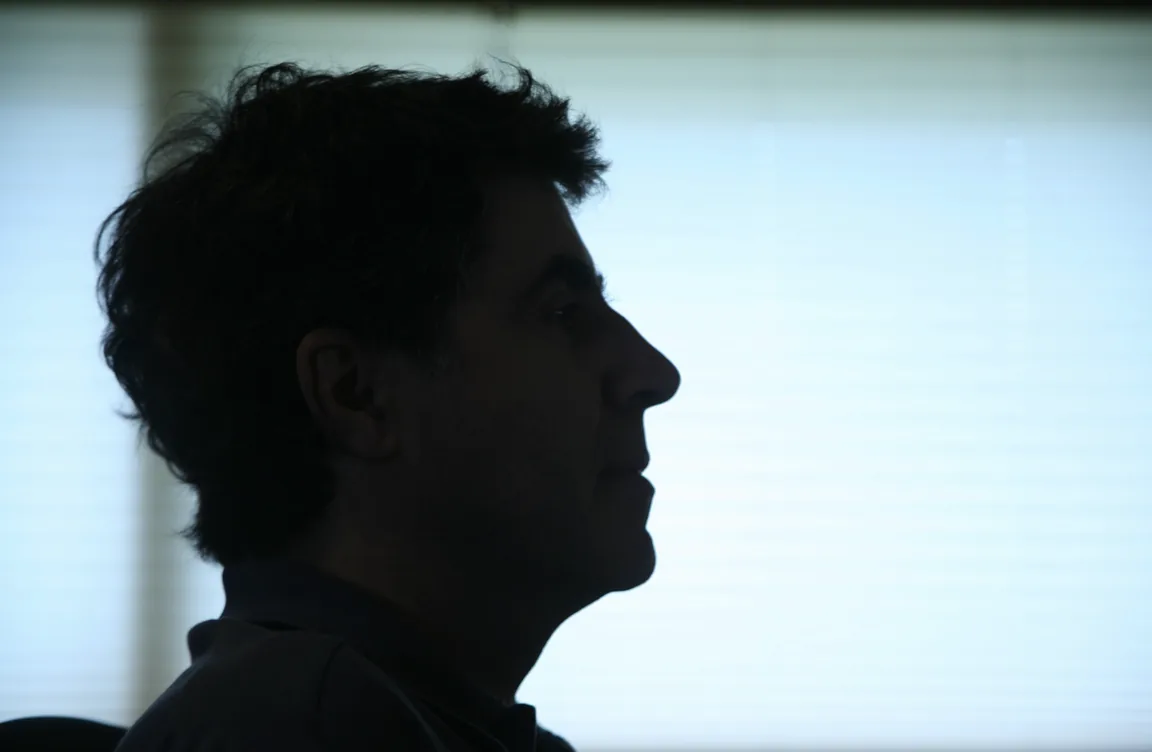
Javier Navarrete was born in Teruel, Spain in 1956.
At the age of thirteen, in the wake of the emerging psychedelic scene, he began to play the guitar and take music reading and piano lessons.
In 1973, he moved to Barcelona, where he studied under Chilean composer Gabriel Brncic. During this time, Navarrete was active in the city’s unfolding avant-garde scene, collaborating with musicians like Carles Santos, Eduardo Polonia and Alberto Iglesias.
His first compositions were electronic, consisting of meticulous tape montages of analog synthesizer sounds. He then returned to writing on paper, taking a minimalist approach that evolved with the inclusion of eclectic influences: liturgical music, impressionism and musical traditions over the world.
His first assignments as a composer were for theater and contemporary dance groups.
In 1986, he composed his first score for Tras el Cristal (In a Glass Cage), a film by Agustín Villaronga inspired by the story of Gilles de Rais, which remains a cult classic to this day.
He worked on several Spanish and British film scores before his work with Guillermo del Toro: Devil’s Backbone (2001) and Pan’s Labyrinth (2006), the latter of which earned him nominations for the Academy Award and Grammy.
Following this feat, he worked with American and European directors such as Neil Jordan, Joe Dante and Scott Cooper. To date, he has composed scores for over 50 films and series.
The score for Hemingway and Gellhorn, directed by Philip Kaufman and starring Nicole Kidman and Clive Owen, earned him an Emmy Award in 2012.
Navarrete is the author of an opera titled Los Amantes, produced with local talent in 2017 and 2018 in his hometown, based on the medieval legend of two star-crossed lovers in the city of Teruel.
According to a 2017 IndieWire ranking, Javier was deemed one of the top 12 composers of the 21st Century.
Currently, he is working on compiling his electronic music from throughout the years.